
This forthcoming volume, edited by David Kaplan, should be of interest to The Brains Blog community, and it includes papers by fellow contributors Gualtiero Piccinini and Corey Maley:
This forthcoming volume, edited by David Kaplan, should be of interest to The Brains Blog community, and it includes papers by fellow contributors Gualtiero Piccinini and Corey Maley:
The scale of human cooperation If you start with the assumption that biological altruism evolves because the benefits fall on genetic relatives, the scale of human social organization is puzzling. We cooperate with huge numbers of individuals who are not genetic kin—large-scale modern societies depend on it. Not all of …
The Oxford Studies in Experimental Philosophy series, published by Oxford University Press and edited by Tania Lombrozo, Joshua Knobe, and Shaun Nichols, is now calling for papers for its third volume. The series joins other successful series in the Oxford Studies in… collection, which bring together original articles on all …
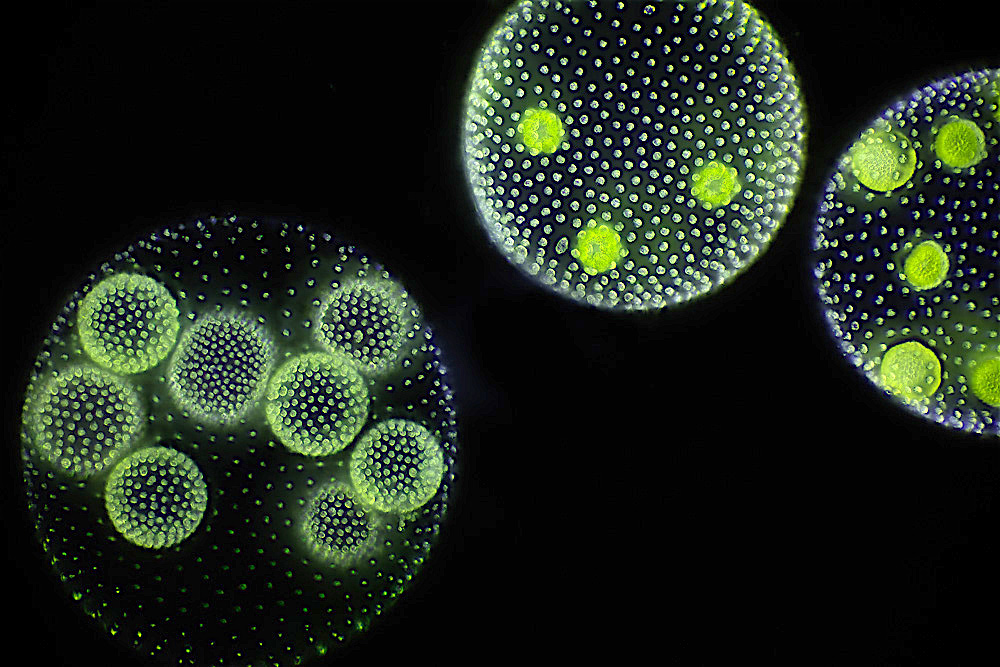
The ‘cell state’ metaphor In the 19th century, biologists came to appreciate for the first time the fundamentality of the cell to all life on Earth. One of the early pioneers of cell biology, Rudolf Virchow, realized that the discovery of the cell brought with it a new way of …
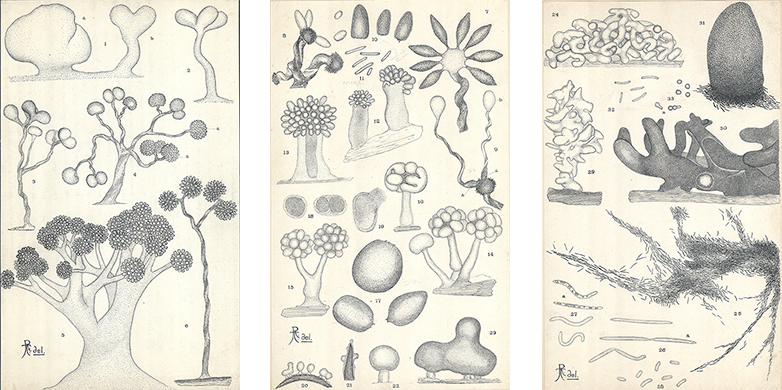
In Part 1, we saw that cooperative behaviour is rife in the world of microorganisms. The fruiting bodies of myxobacteria and social amoebas are famous, but any bacterial biofilm is held together by vast amounts of discreet cooperation—the bacteria emit all kinds of molecular ‘public goods’ to their neighbours. This …
Haldane’s quip In what circumstances might natural selection favour self-sacrifice? As legend has it, the best known answer to this question was first spoken in a London pub called the Orange Tree. One night in the 1950s, after “calculating on the back of an envelope for some minutes”, J.B.S. Haldane remarked …
‘The Science of Consciousness’ Conference – April 2-7, 2018 Loews Ventana Canyon Resort – Tucson, Arizona Call for Abstracts and Pre-Registration The Science of Consciousness (‘TSC’) is an interdisciplinary conference emphasizing broad and rigorous approaches to all aspects of the study and understanding of conscious awareness. Topical areas include neuroscience, …