2. Composite Subjectivity and Functional Structure

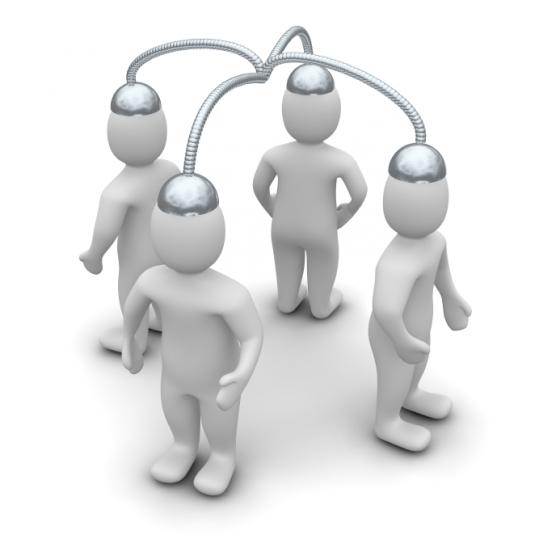
Consider a contrast. The solar system contains my brain as a part; my brain is conscious; the solar system is not conscious (at least in any everyday sense – let’s set panpsychism aside for now). That’s enough to show that having conscious parts is not enough, all by itself, to …


1. Why Think About Composite Subjectivity?

Combining Minds aims to persuade you that minds can indeed combine. But first, we need to work out what that claim even means and why you might think they can’t. So here’s a little bit of intellectual autobiography on that topic. In the last few decades, philosophers interested in the …

4. An Ethics of Spontaneity

Section 3 of The Implicit Mind asks: how can we improve our implicit minds? What can we do to increase the chances that our spontaneous inclinations and dispositions get it right rather than act as conduits for bias and prejudice? It is tempting to think that one can simply reflect …

3. Implicitness and the Self

Spontaneity can give rise to actions that seem “unowned.” Tremble and shake on a glass platform suspended over the Grand Canyon, and you might ask, “I know I’m perfectly safe, so why is my body acting like I’m not?” Have a friend point out to you that when asking questions …

2. Architecture of the Implicit Mind

Part 1 of The Implicit Mind makes the case that “implicit attitudes” are mental states that cause us to act in relatively spontaneous ways, sometimes for better and sometimes for worse. I offer an unorthodox description of implicit attitudes, distinguish implicit attitudes from other folk psychological kinds, and show how …

1. The Virtues and Vices of Spontaneity

To avoid becoming a victim of violent assault, people are often coached to trust their gut feelings. “Trust your INSTINCTS,” the University of Oklahoma Police Department says, “believe your inner feelings when you get uncomfortable about a person or situation. Respond as soon as you feel uncomfortable!”[1] Gavin De Becker, …

Back to Top