To listen, go here.

To listen, go here.
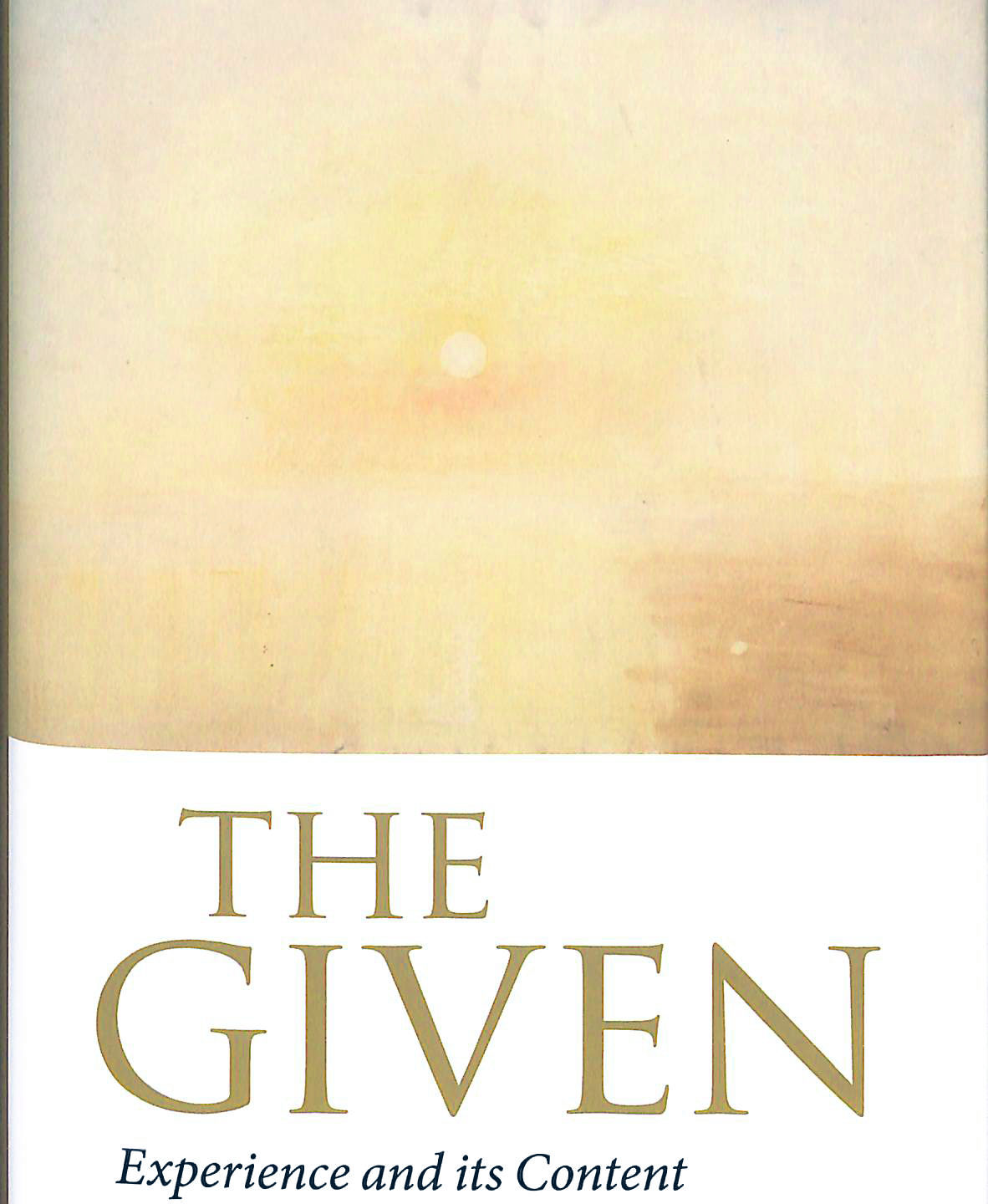
I called my book The Given (Oxford University Press, 2016) because I set out to answer the question, What is given in experience? What does one have to do in order to give an adequate characterization of how the world is given to us, an adequate characterization of how we …
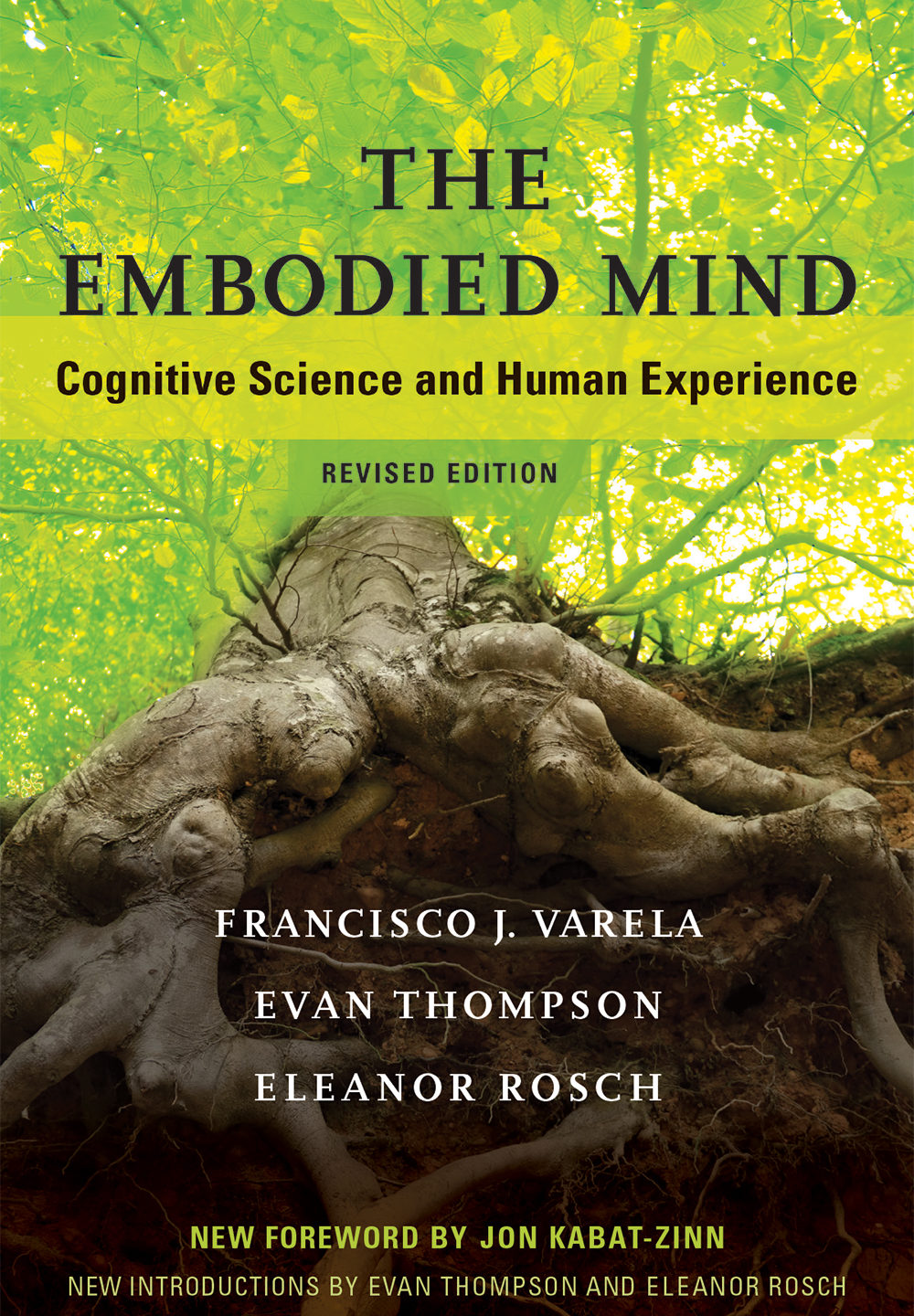
I want to pick up a thread from my second post, where I wrote that mindfulness practices should be understood as skillful ways of enacting certain kinds of embodied states and behaviors in the world, not as inner observation of an observer-independent mental stream. This point is especially important today, …
In The Embodied Mind, we presented the idea of cognition as enaction as an alternative to the view of cognition as representation. By “representation” we meant a structure inside the cognitive system that has meaning by virtue of its corresponding to objects, properties, or states of affairs in the outside …
At the end of my first post, I said that when I reread The Embodied Mind now, I can’t help but see it as limited by several shortcomings, ones that have become increasingly apparent over the years and that need to be left behind in order to advance the book’s …
Thanks to John Schwenkler and The Brains Blog for giving me this space to write about the new, revised edition of my book, The Embodied Mind: Cognitive Science and Human Experience, co-authored with neuroscientist Francisco J. Varela (1946-2001) and psychologist Eleanor Rosch. The MIT Press first published the book in …
We welcome paper proposals for the 4th iCog conference to be held at the University of Oxford, on the 17th and 18th of June, 2017. The conference will explore the role that perceptual processes play in our capacity to track and make sense of observed actions by bringing together researchers …