The Impossibility of Hugging Yourself, or How Touch Opens the Doors of Perception in Apes and Humans

As I mentioned in my first post, I had the opportunity to conduct research at Gombe National Park several years ago. In one of the trips from the national park to town to get provisions (and experience the luxury of a cold soda and indoor plumbing where you are not …
The Eyes Are Not a Window to the Mind

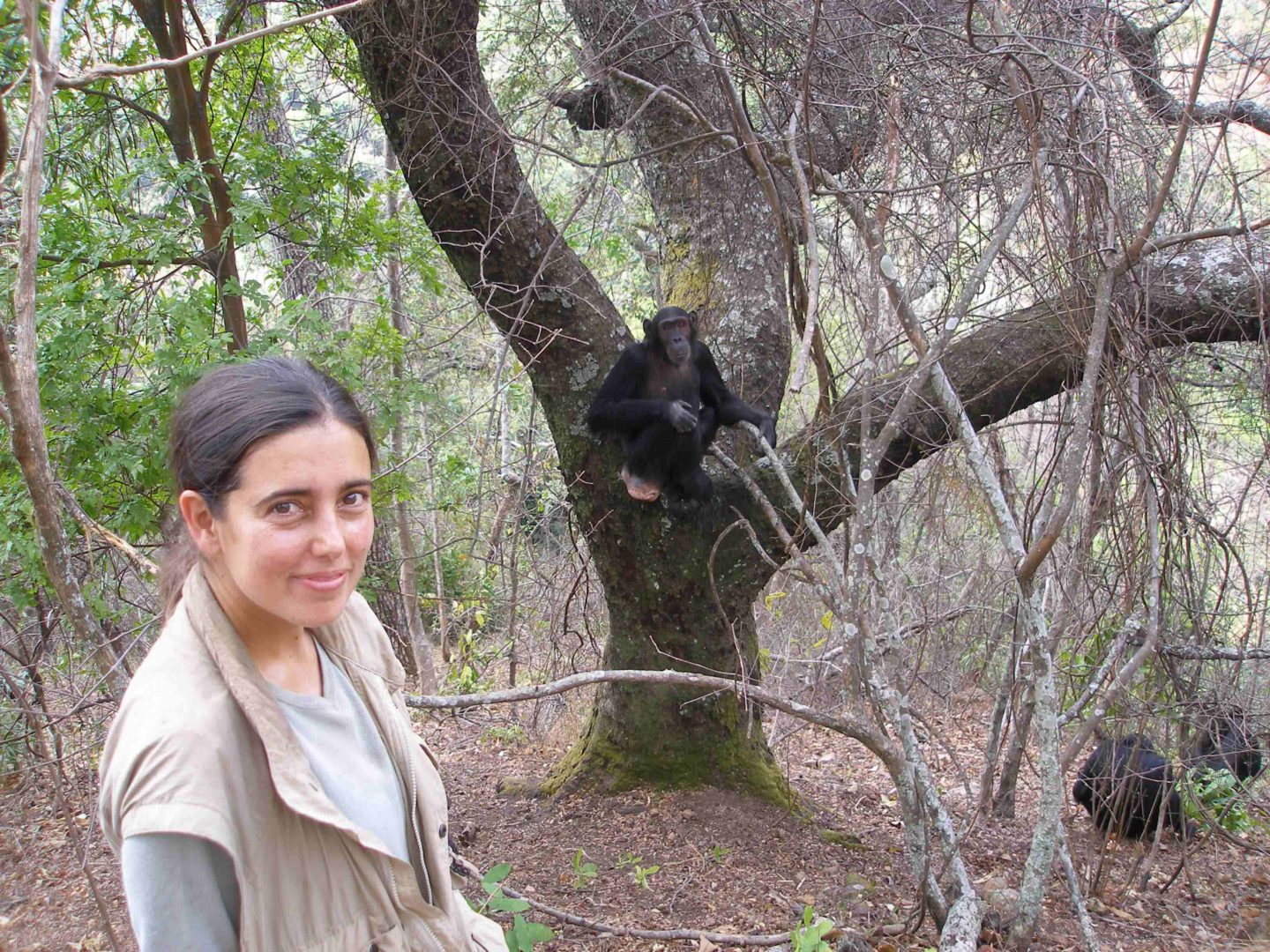
I would like to start by thanking the editors of The Brains Blog, especially Cameron Buckner, for giving me the opportunity to discuss some of the ideas I had about the human and ape minds while observing a group of mother and infant chimpanzees at Gombe National Park in Tanzania, …

Introducing Maria Botero

I am extremely pleased to introduce Maria Botero, who will contribute several featured posts at the Brains blog beginning this coming week. Maria is currently an Assistant Professor in the Department of Philosophy and Psychology at Sam Houston State University, in Huntsville, TX. Prior to that she obtained her PhD …

Symposium on Bernard Molyneux, “The Logic of Mind-Body Identification”

It’s my pleasure to introduce this symposium on Bernard Molyneux’s paper “The Logic of Mind-Body Identification” (in the current issue of Ergo), with commentaries by Liz Irvine (Cardiff), István Aranyosi (Bilkent), and Jonathan Simon (NYU). Molyneux’s paper introduces a new strategy for explaining why proposed identities between the mental and …

Request for Proposals: New Directions in the Study of the Mind (Cambridge)

The New Directions in the Study of the Mind Project welcomes proposals for philosophical and scientific approaches to the study of the mind which do not make the physicalist and reductionist assumptions familiar in these disciplines. Proposals can be for funding that supports various research needs: a major project on …

Dream deception, cognitive corruption, and insight in dreams

My last post focused on the relationship between minimal phenomenal selfhood in dreams, spatiotemporal self-location, and bodily experience. But there is another and in some ways more traditional way of thinking about the relationship between dreaming and the self. This is to focus on the epistemic relation between the self, …

Back to Top