Lucid Dreaming or Dreaming That You’re Dreaming?

Why isn’t a lucid dream just a dream within a dream? Suppose I’m having a flying dream and I think, “I must be dreaming.” I’m in a dream state, so why I am not just dreaming that I’m dreaming? To put the question another way, if there’s a difference between …


Is Consciousness a “Stream”?

In 1890 William James introduced the metaphor of the “stream of consciousness” into Western psychology: “Consciousness… is nothing jointed; it flows. A ‘river’ or ‘stream’ are the metaphors by which it is most naturally described. In talking of it hereafter, let us call it the stream of thought, of consciousness, …

Introduction

Thanks to John Schwenkler and The Brains Blog for giving me this opportunity to tell you about my work. In this first post I’d like to describe the themes and ideas of my most recent book, Waking, Dreaming, Being: Self and Consciousness in Neuroscience, Meditation, and Philosophy. In later posts …

CFP: Situating Cognition: Agency, Affect, and Extension

The organizers of the second edition of the international conference in Trends in Interdisciplinary Studies, entitled SITUATING COGNITION: AGENCY, AFFECT, AND EXTENSION, welcome proposals for submitted talks and papers. The conference will take place on October 15-18, 2015, in Warsaw (Poland), at the University of Warsaw and the Polish Academy of Sciences. Proposals …

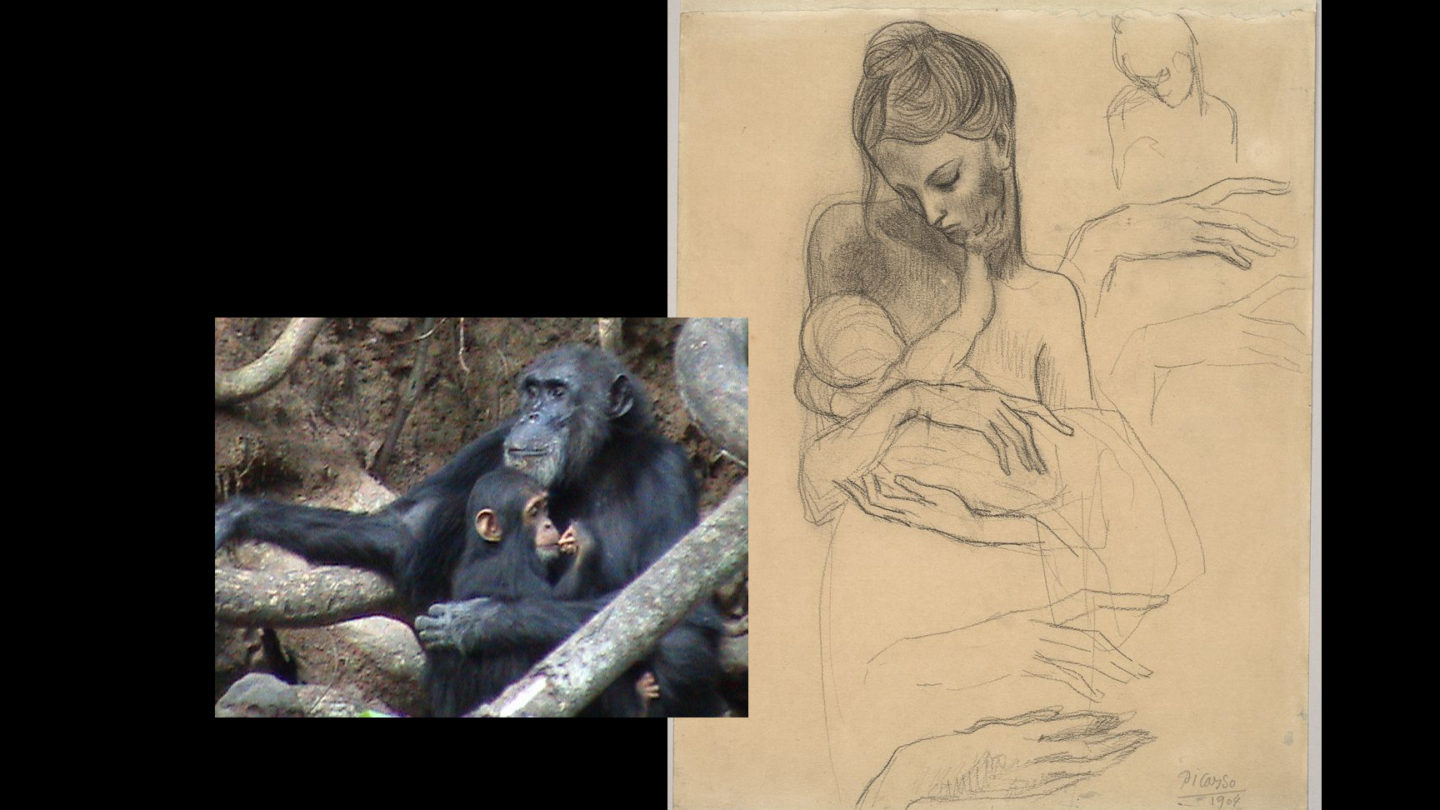
Primates Who Are Calm Enough to Pay Attention, or How Touch Allows Human and Non-Human Infants to Engage in Social Interactions

When orphans who have had to overcome difficult upbringings are portrayed in movies or books, they are usually described as smart, sensible children who are capable of facing any challenge and are able to intuitively excel in anything they attempt (even quidditch). The reality of a harsh upbringing, especially for …

In the Beginning Was Touch, or How Touch Enables the Social Communicative Capacities behind Joint Attention

Throughout the 20th century we find several examples where, once it has been established that a mental capacity is expressed through a specific mode, this link becomes so strong that anyone who doesn’t engage in this mode will be described as not possessing that mental capacity. For example, the link …

Back to Top